Locations:





Doing it too often or too forcefully can cause issues, including loose joints over time
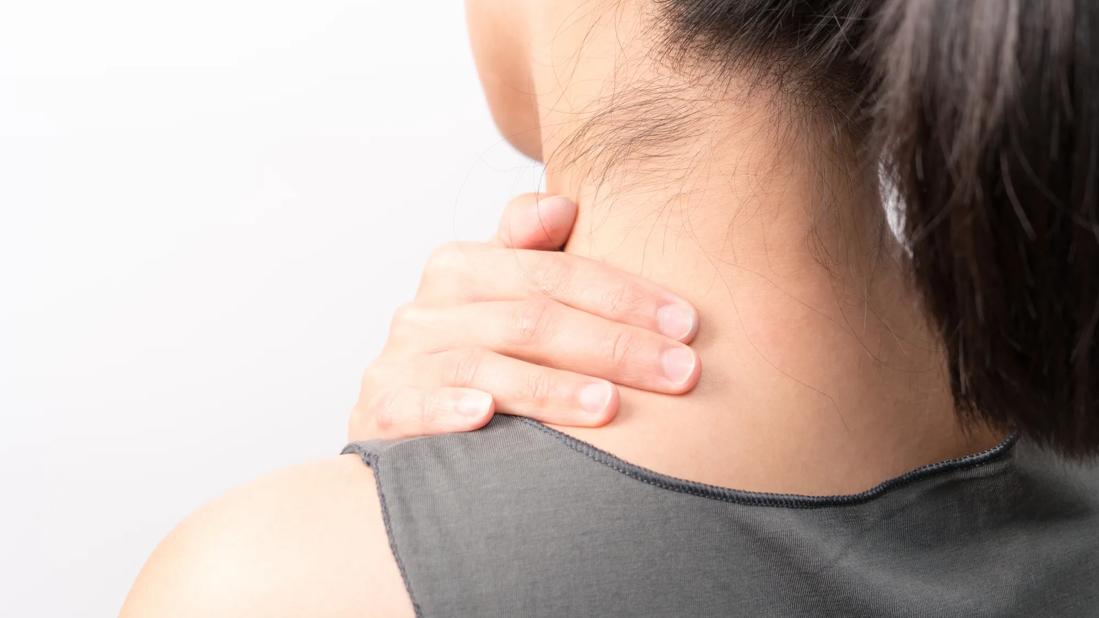
Image content: This image is available to view online.
View image online (https://assets.clevelandclinic.org/transform/4514c407-848e-49d8-900a-75e9a357a6e4/cracking-neck-937126296)
Person with hand on neck, facing away
Sometimes, it feels like you just can’t help it — like cracking your neck is the only thing that will relieve the pressure and make you feel, well, normal again. But is it safe? After all, that sound it makes does not always sound healthy, even if it feels good.
Advertisement
Cleveland Clinic is a non-profit academic medical center. Advertising on our site helps support our mission. We do not endorse non-Cleveland Clinic products or services. Policy
“If your neck cracks once or twice throughout the day, that’s natural,” says chiropractor Andrew Bang, DC. “But if that cracking becomes repetitive — every hour or every few minutes — that’s when it’s time to reevaluate.”
Dr. Bang explains what’s happening when your neck cracks, including whether it can injure you and how you can prevent that can’t-help-but-crack-it feeling in the first place.
Cracking your neck may sound like bones crunching or snapping, but rest assured that your skeleton remains intact. When you hear your neck crack, Dr. Bang says that one of three things is happening inside your body:
Advertisement
A little bit of snap-crackle-popping is usually nothing to worry about. But forcing your neck to crack can lead to health issues, including:
The occasional neck cracking can give you some temporary relief from pressure or pain. But it’s not something you should intentionally do too often. If you feel like you need to crack all the time, or if cracking causes pain, talk to a healthcare provider to figure out what’s behind it.
“Pain is an indication that it's time to do something,” Dr. Bang stresses.
Cracking your neck doesn’t cause arthritis. But over time, constant cracking can permanently loosen and stretch your joints, known as ligament laxity. This may put you at risk of developing osteoarthritis.
“It’s not the popping itself that causes arthritis,” Dr. Bang clarifies. “It’s the effects of having a joint that’s become too loose.”
In general, your risk of developing osteoarthritis goes up as you get older because of normal wear and tear on your joints.
To put an end to your neck-cracking habit, you need to first figure out why there’s so much pressure in your joints to begin with.
“We want to figure out why you feel the need to crack your neck all the time,” Dr. Bang muses. “What’s causing that pressure?”
When it comes to neck pain, simple habit changes have the power to provide big-time relief. Your posture, desk setup and even the way you hold your cell phone can all contribute to neck pain and the desire to crack.
“Maybe we need to adjust your computer to monitor, or you need to start holding your cell phone at eye level instead of looking down in your lap,” Dr. Bang says. “Without that pressure on your joints, you won’t feel the same need to crack your neck.”
Advertisement
What if you make these changes and you still feel a too-frequent urge to crack? You may also need to address muscle tightness.
“Changing your positioning and stretching the connective tissue around your joints are both vital to not needing to crack so much,” Dr. Bang notes. “Stretch your neck muscles front to back and side to side to help release some of that tension and, again, relieve the need to crack.”
If you feel compelled to crack your neck a lot, it’s best to talk to a professional instead of continually doing it yourself. Chiropractic adjustment may help relieve pressure and increase your range of motion.
But Dr. Bang cautions that adjustments shouldn’t be done too often, or they can cause the very joint looseness you’re trying to avoid. He says once a week is standard.
“If someone is telling you that you need to see them to get adjusted three or four times a week, there’s a problem,” Dr. Bang warns, “because that’s going to create too much joint laxity in those areas.”
You can take some of the pressure off your neck by making lifestyle changes and relieving muscle tightness. But if that need to crack just won’t go away, it’s time to talk to your primary care provider. They can, shall we say, get crackin’ on figuring out how to treat your neck issues in a safe and healthy way.
Advertisement

Sign up for our Health Essentials emails for expert guidance on nutrition, fitness, sleep, skin care and more.
Learn more about our editorial process.
Advertisement

Lifestyle changes, neck exercises, injections and surgery can all help improve turkey neck

Frequent smartphone use can lead to painful issues

This experimental peptide isn’t approved to treat or prevent any health condition
This modern twist on a traditional sauna may help support heart health, soothe sore muscles, manage pain and more

Abruptly ending treatment often comes with weight regain and other issues

Managing your weight through physical activity may lower your chances of getting this common cancer

Nocturnal emissions are a natural part of growing up and nothing to worry about
This hormone may affect your weight, but it doesn’t usually act alone
Managing your weight through physical activity may lower your chances of getting this common cancer

It typically starts in October and winds down in early spring, with cases at their highest in the middle of winter

Anxiety disorders, health conditions and past trauma can make driving nerve-wracking — help is available
 Search










